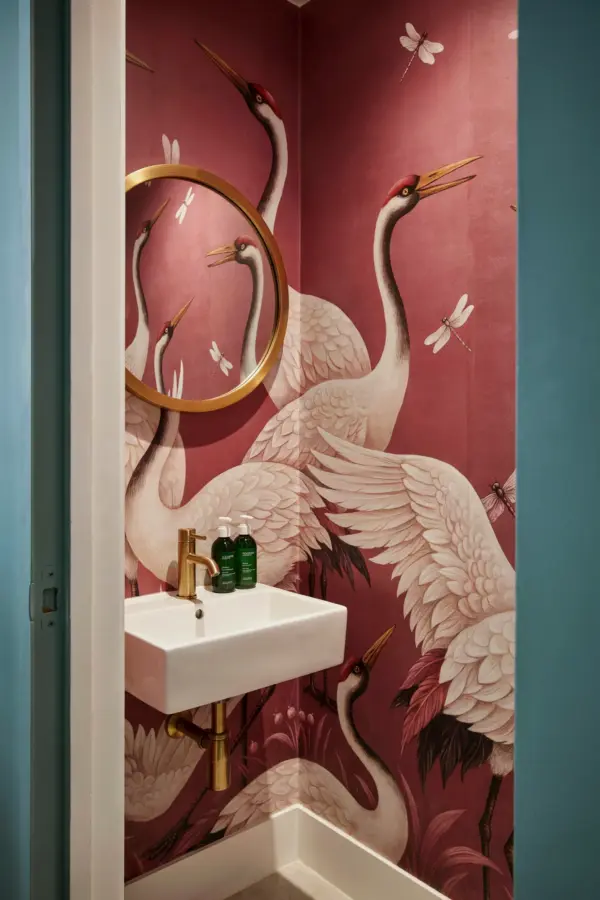
If you are planning a small bathroom refresh, you have probably searched for bathroom tile ideas and found a flood of pictures that look expensive or impossible to pull off. After helping friends and readers with their own renovations, I have noticed the same mistakes popping up again and again. The good news is that most of these pitfalls are easy to avoid once you know what to look for. Below I walk through the most common tile blunders for compact bathrooms and show you how to fix them without blowing your budget.
Mistake 1: Choosing Tiles That Are Too Dark or Too Busy
Small bathrooms need light and airiness, yet many people fall for a dramatic dark tile they saw in a spa photo. Dark tiles absorb light and make a tiny room feel like a cave. Busy patterns, especially large floral or abstract designs, can overwhelm the space visually.
Instead, stick with light neutrals such as soft white, warm gray, or pale beige. If you want pattern, use it sparingly. A single accent wall behind the vanity or a thin border of patterned tile can add personality without shrinking the room. For a budget-friendly choice, look for ceramic or porcelain subway tile in a glossy white finish. It bounces light around and costs much less than natural stone.
Mistake 2: Ignoring Tile Scale and Proportion
One common belief is that small rooms need small tiles. That is not always true. Tiny mosaic sheets can make a space look busy and cluttered, especially when the grout lines create a grid that chops up the wall. On the other hand, very large format tiles can be tricky to install in a small bathroom because you might waste a lot of material cutting them down.
Here is a practical rule: for floors in a tiny bathroom, choose tiles around 8 to 12 inches square. For walls, 3×6 inch subway tile or 4×12 inch rectangles work beautifully. They offer enough visual interest without overwhelming the proportions. If you are using a vertical stack pattern (more on that next), those rectangles will also help stretch the eye upward.
Mistake 3: Forgetting About Layout and Grout Color
The way you lay your tile matters just as much as the tile itself. A horizontal brick pattern is classic, but in a narrow room it can make the space feel shorter. Vertical stacking (placing each tile directly above the one below) draws the eye up and visually raises a low ceiling.
Grout color is another detail that people overlook. Dark grout on a light tile creates a busy grid that can make a small bathroom look smaller. Light grout blends with the tile and gives a seamless, clean look. For budget-friendly small bathroom tiles, I always recommend a white or off-white grout with white subway tile. If you are worried about staining, use a high-quality epoxy grout or a stain-resistant additive.
Mistake 4: Overcomplicating the Mix of Finishes
Mixing matte and glossy finishes is a great way to add texture, but too many different finishes can look chaotic. I see people combining matte floor tiles, glossy wall tiles, a shiny accent strip, and a matte niche, all in one tiny room. That creates visual clutter, not interest.
Stick to two finishes at most. For example, use glossy white subway tile on the walls and matte porcelain hexagon tiles on the floor. The contrast between the glossy walls and the matte floor adds depth without extra noise. If you want to add a third finish, keep it to a small accent like a recessed shelf or the inside of a shower niche.
Here is a simple checklist to keep your finish mix clean:
- Choose one primary finish for walls (usually glossy for light reflection).
- Pick a different finish for the floor (matte or textured for grip).
- Limit accent finishes to one small area only.
- Match metal finishes (faucets, towel bars) to one tone, like brushed nickel or matte black.
Mistake 5: Skipping Budget-Friendly Alternatives
A full tile renovation can cost thousands. Many people assume they cannot afford real tile and give up on the idea entirely. But there are budget-friendly options that still look fresh and durable. Peel and stick tile has come a long way in the last few years. Look for brands that use thick vinyl with a realistic stone or ceramic texture. Some even have a slight gloss that mimics glazed tile.
Another option is tile trim or border strips. Instead of retiling the whole bathroom, you can replace only the backsplash behind the vanity or add a tile wainscot halfway up the wall. That cuts material costs in half and still gives you a noticeable update. For floors, consider sheet vinyl printed with a hexagon pattern. It costs a fraction of real tile, is waterproof, and easier to install yourself.
Mistake 6: Forgetting to
#bathroomtileideas #smallbathroomtiles #tilepatterns #bathroomrenovation #diytile
Leave a Comment